Georgia Adopts the 2024 IBC: Impacts on the Metal Building Industry
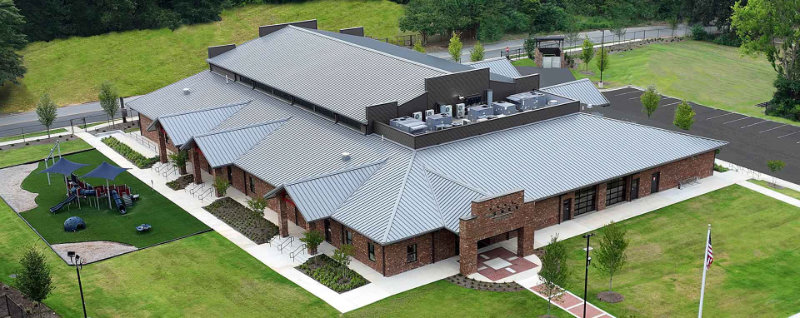
An important implication of the new wind load code could mean that some metal buildings must be designed to resist tornado loads that did not previously meet the threshold. Risk category III and IV structures like school gyms, large public assembly halls, and emergency response centers now must resist EF-0 to EF-1 tornado speeds. Previously, many buildings in these categories were required to account for straight-line winds.
As new codes have gone into effect, manufacturers should pay special attention to new snow load requirements, especially when the building will be installed in higher elevation areas. Data pertaining to ground snow loads in ASCE 7-22 could have implications leading to heavier roof designs in these areas.
New codes tend to raise the baseline of acceptable building standards. As manufacturers, we must remember to always check local ordinances for additional codes that may raise some standards above what the 2024 IBC stipulates.
For more information, we recommend visiting the “New Code Amendments for Jan 1, 2026” section on the Georgia Department of Community Affairs website linked here. The document titled IBC Amendments is a valuable read for engineers in our industry and serves as a trusted source for much of this article.